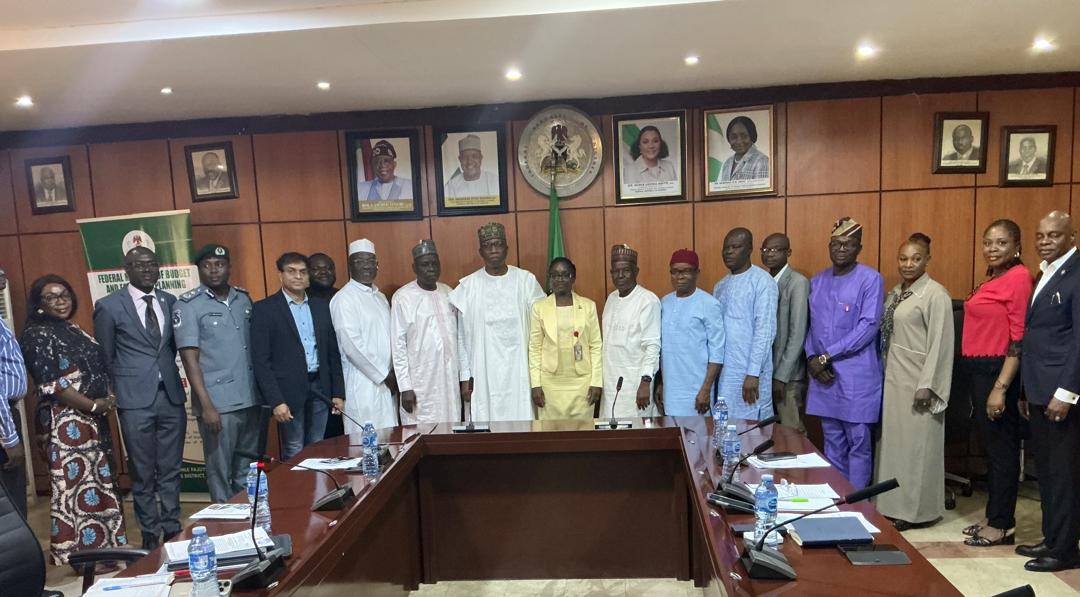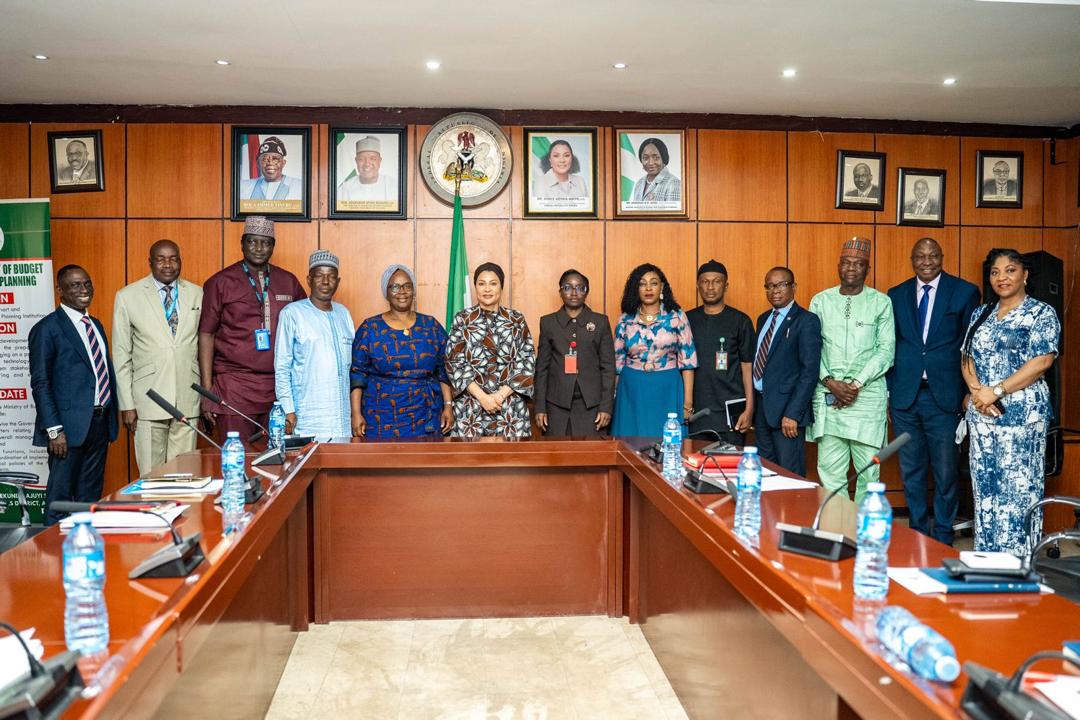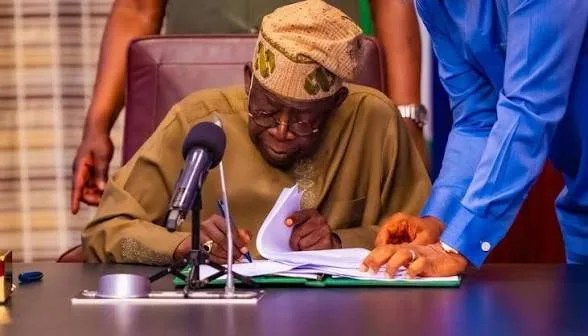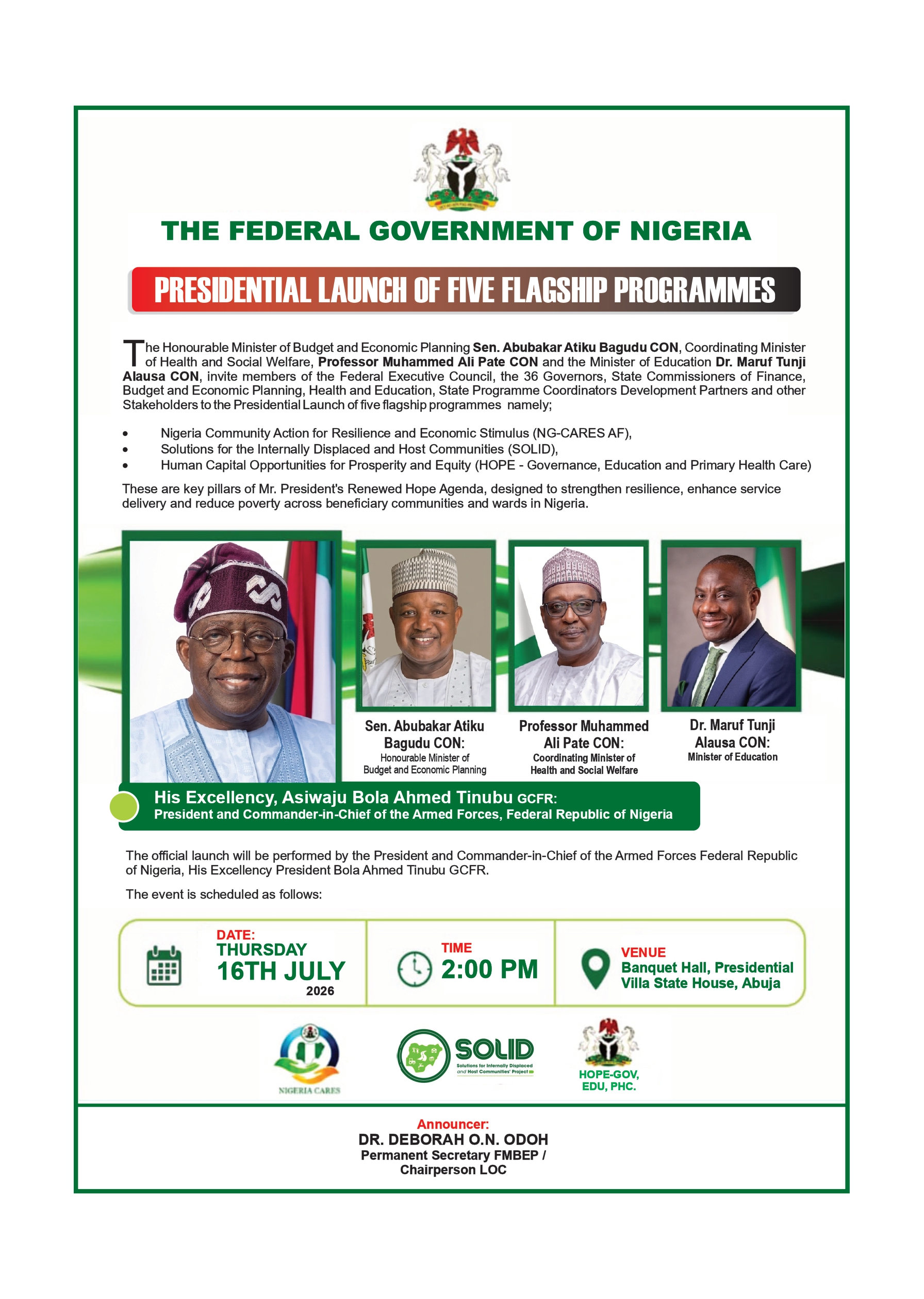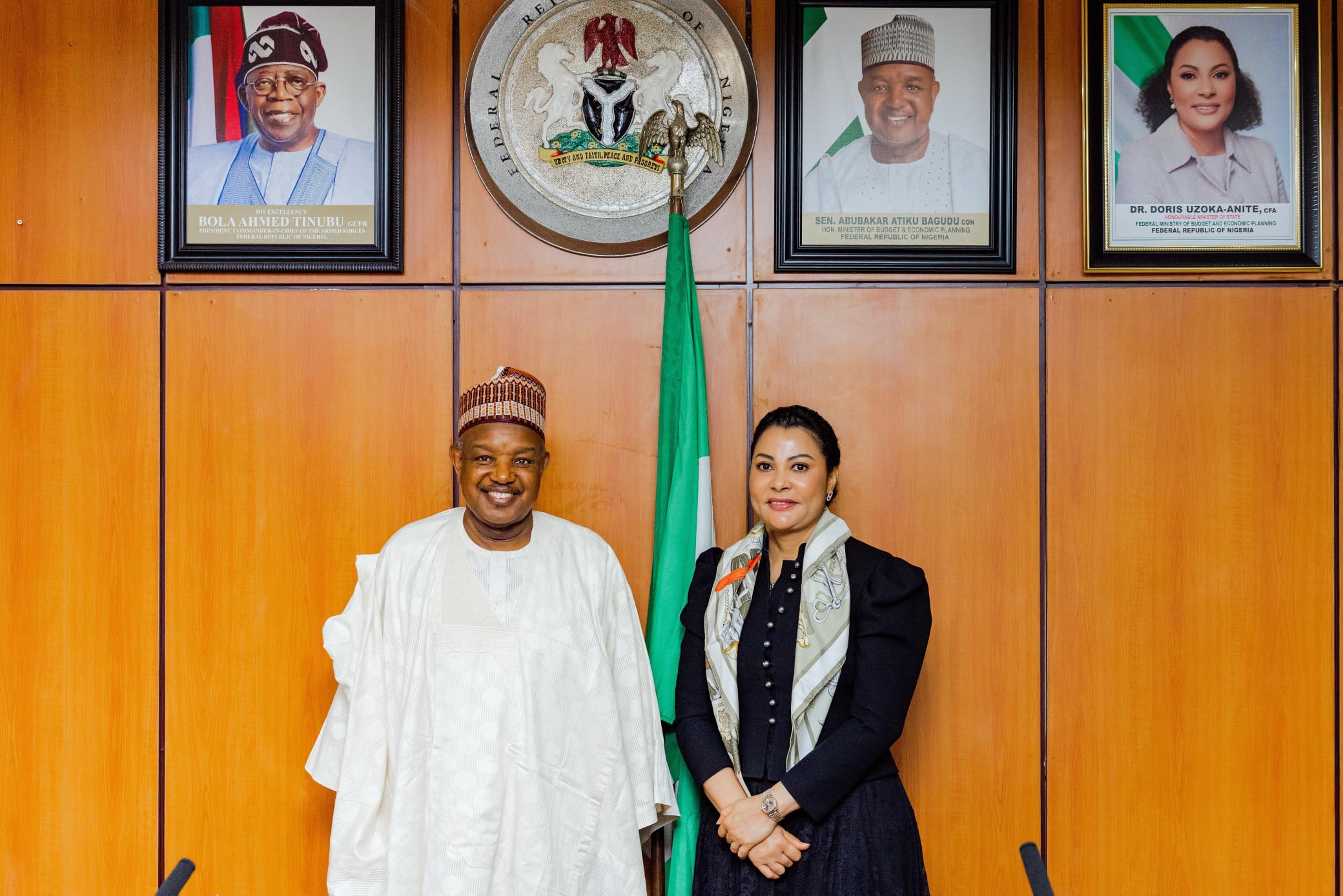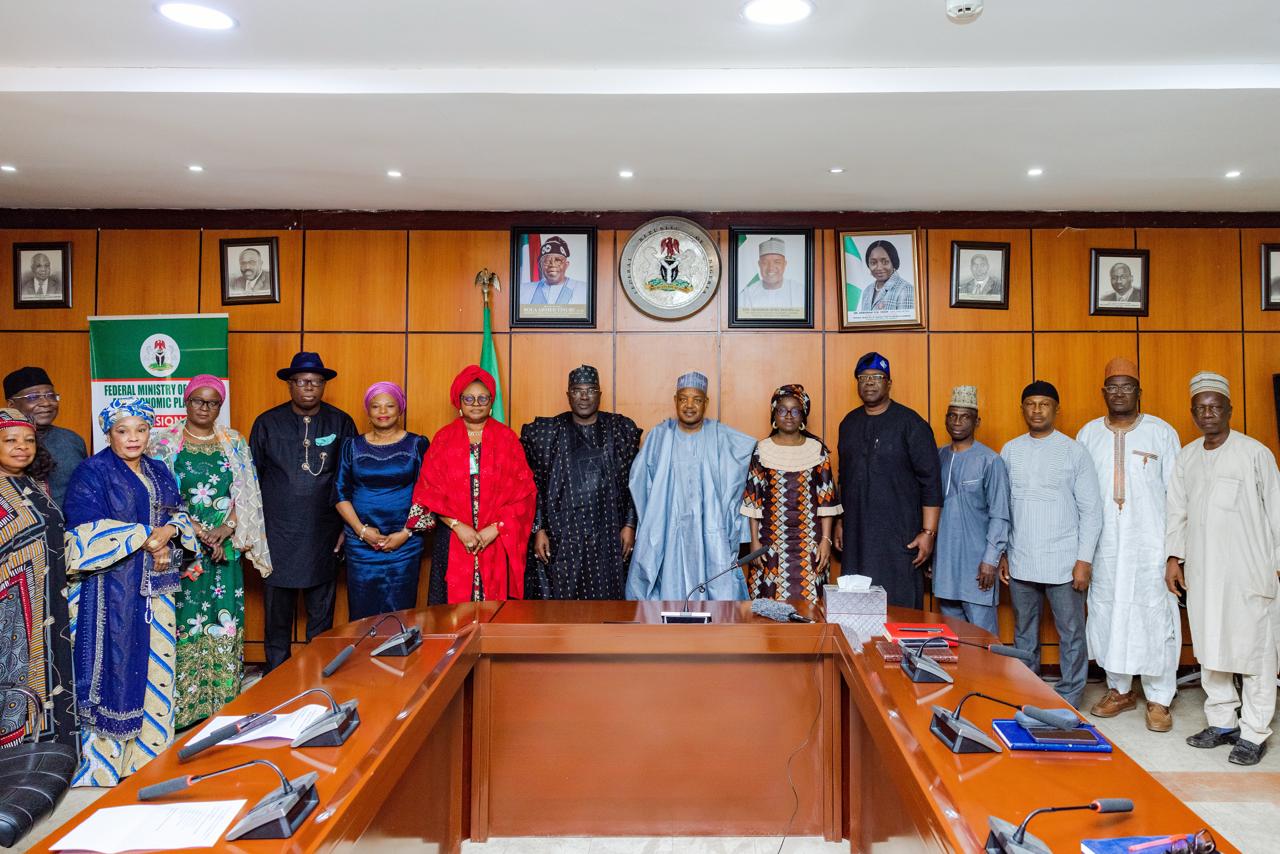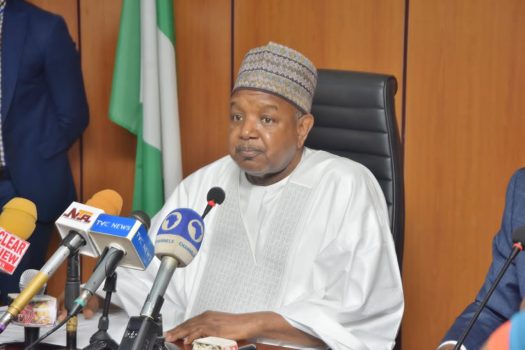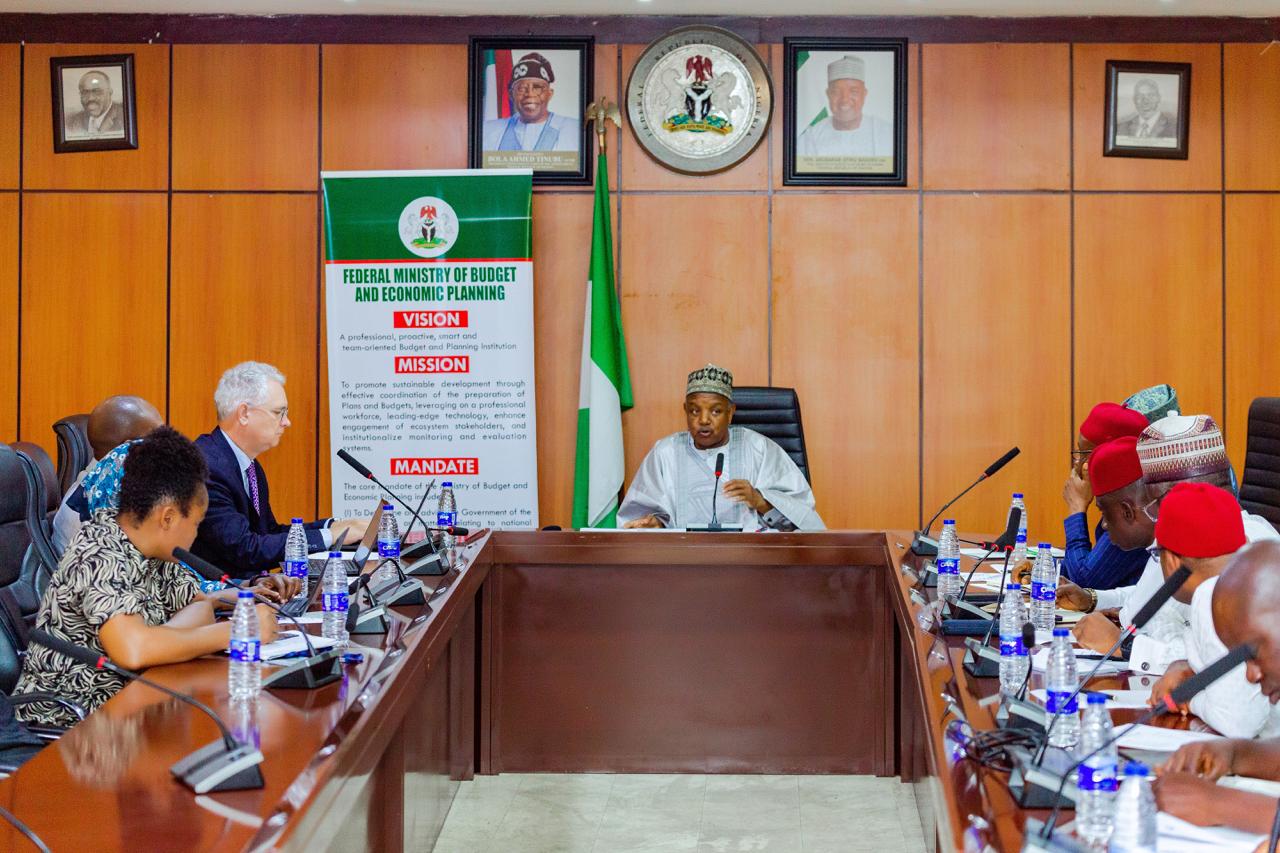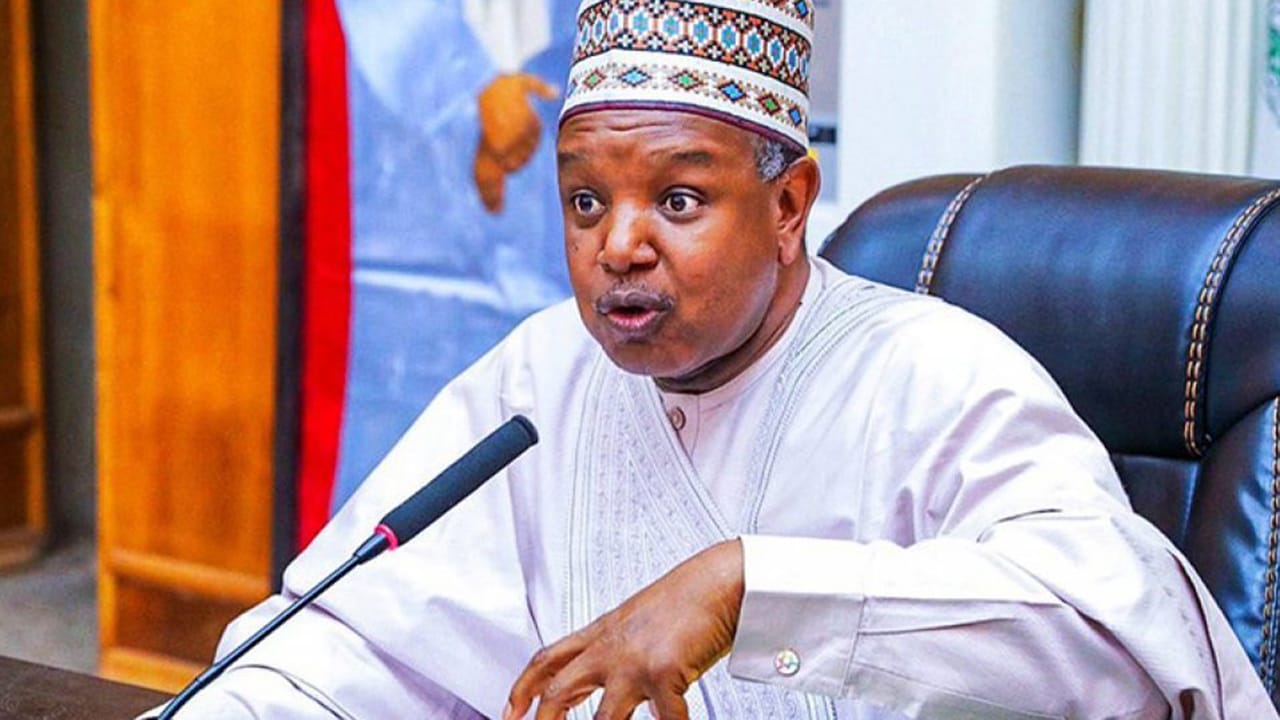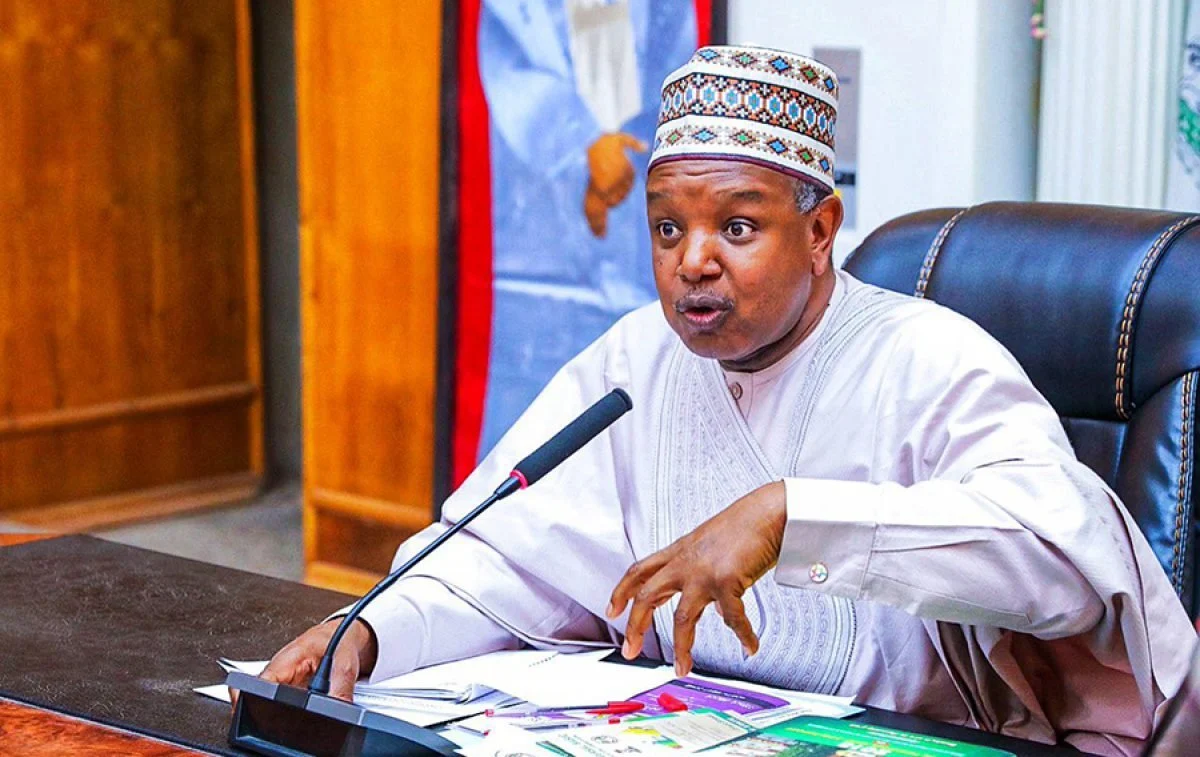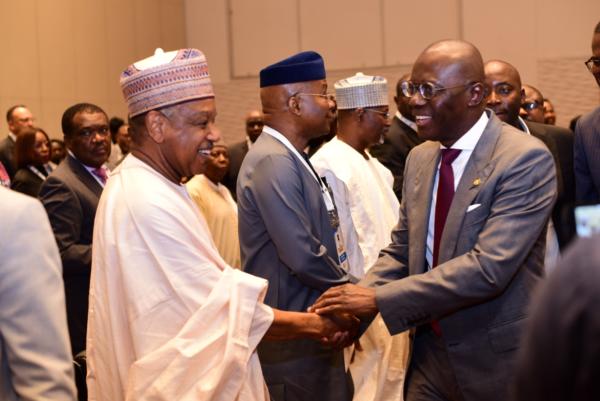
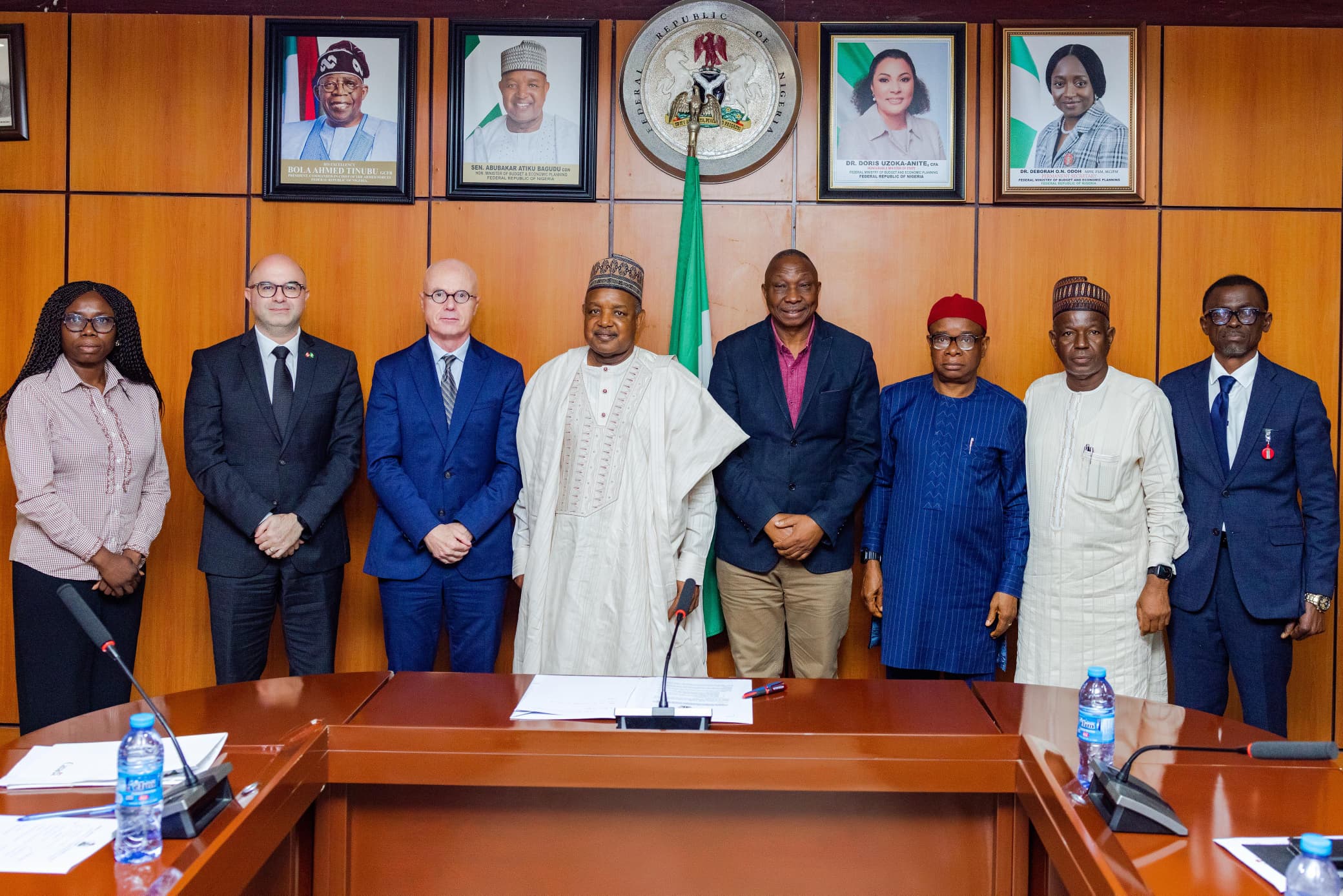
Minister of Budget and Economic Planning, Senator Abubakar Atiku Bagudu, has emphasised the importance of strong policy coordination and strategic planning in achieving the Federal Government’s ambitious economic goals.

Minister of Budget and Economic Planning, Senator Abubakar Atiku Bagudu, has emphasised the importance of strong policy coordination and strategic planning in achieving the Federal Government’s ambitious economic goals.
Federal Government of Nigeria through the Federal Ministry of Budget and Economic Planning, has commenced the process of scaling up the production of Fuel Grade Ethanol (FGE) for blending with Premium Motor Spirit (PMS), aimed at significantly reducing the National Energy Import Bill; which will in turn mitigate the liquidity pressure on our foreign exchange reserves and catalyze the stabilization of the Naira through the creation of a localized, bio-circular economy.
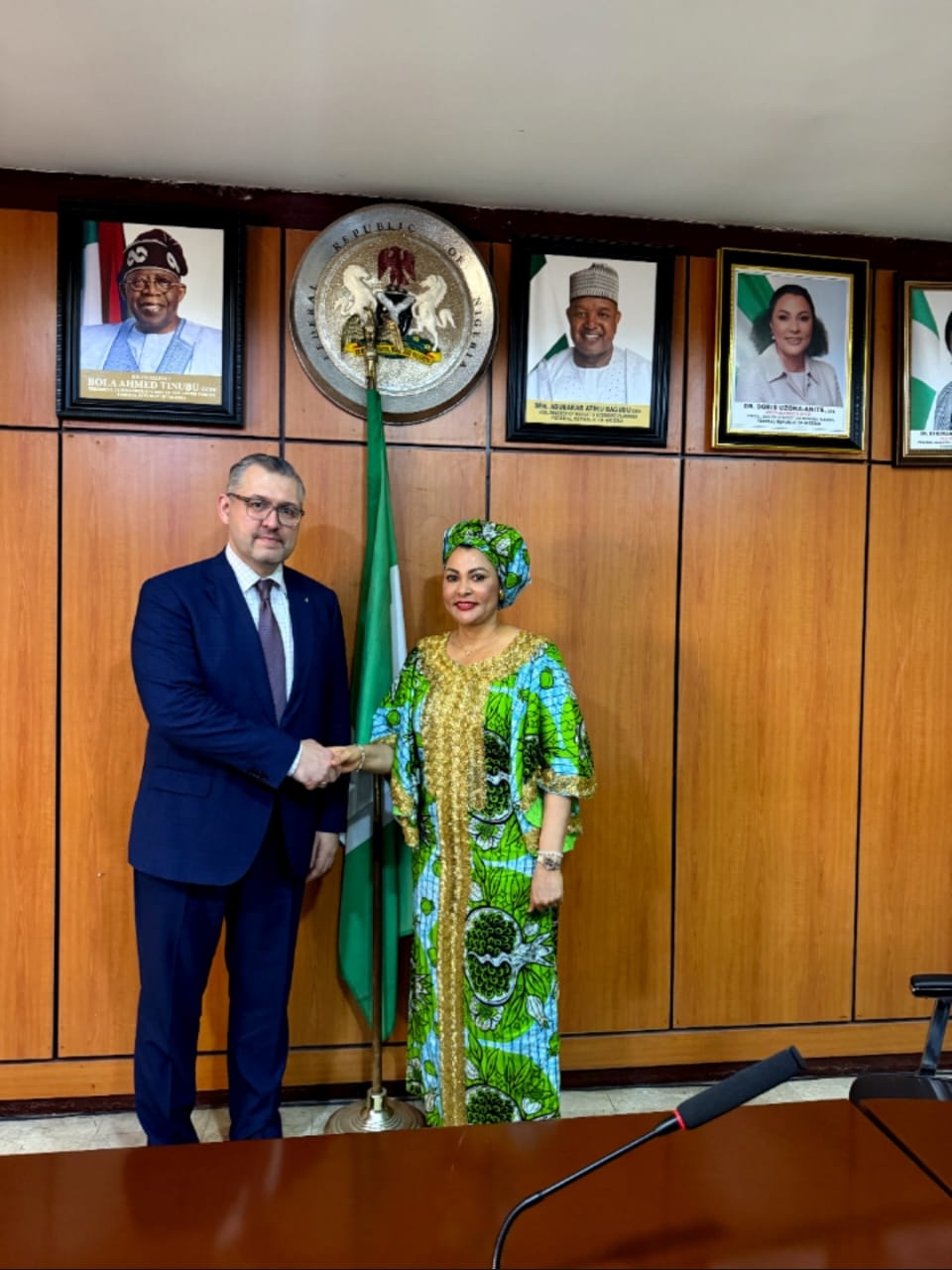
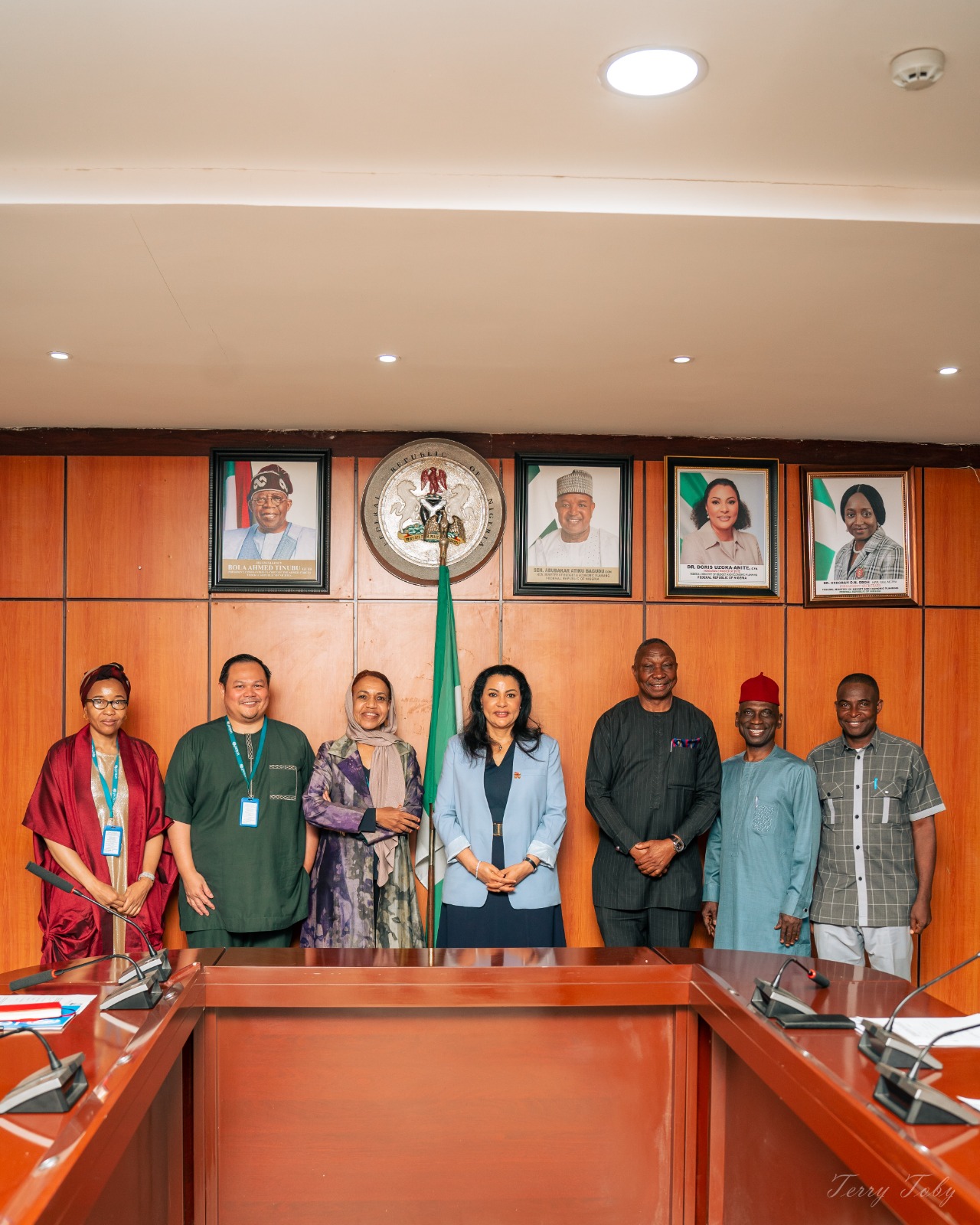
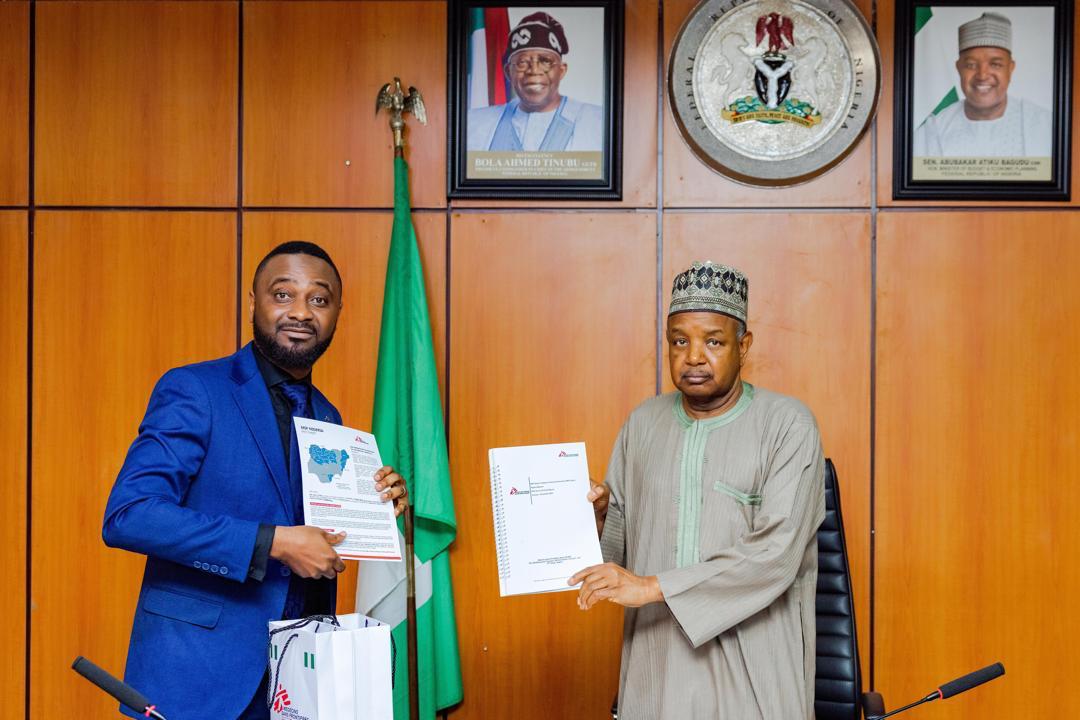
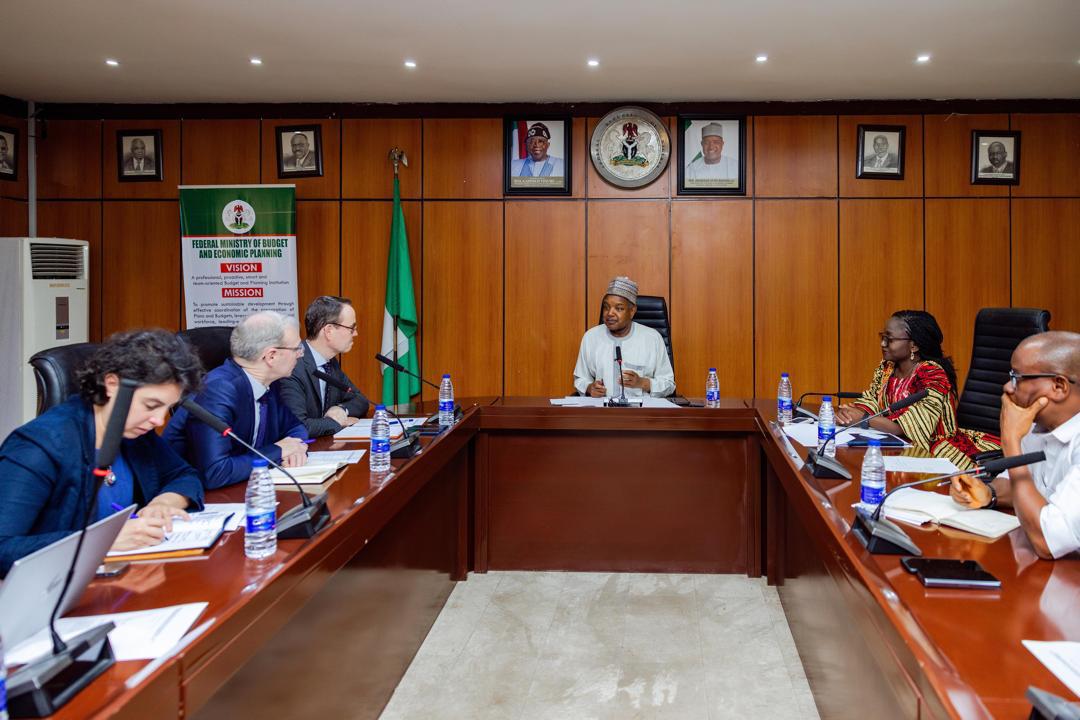
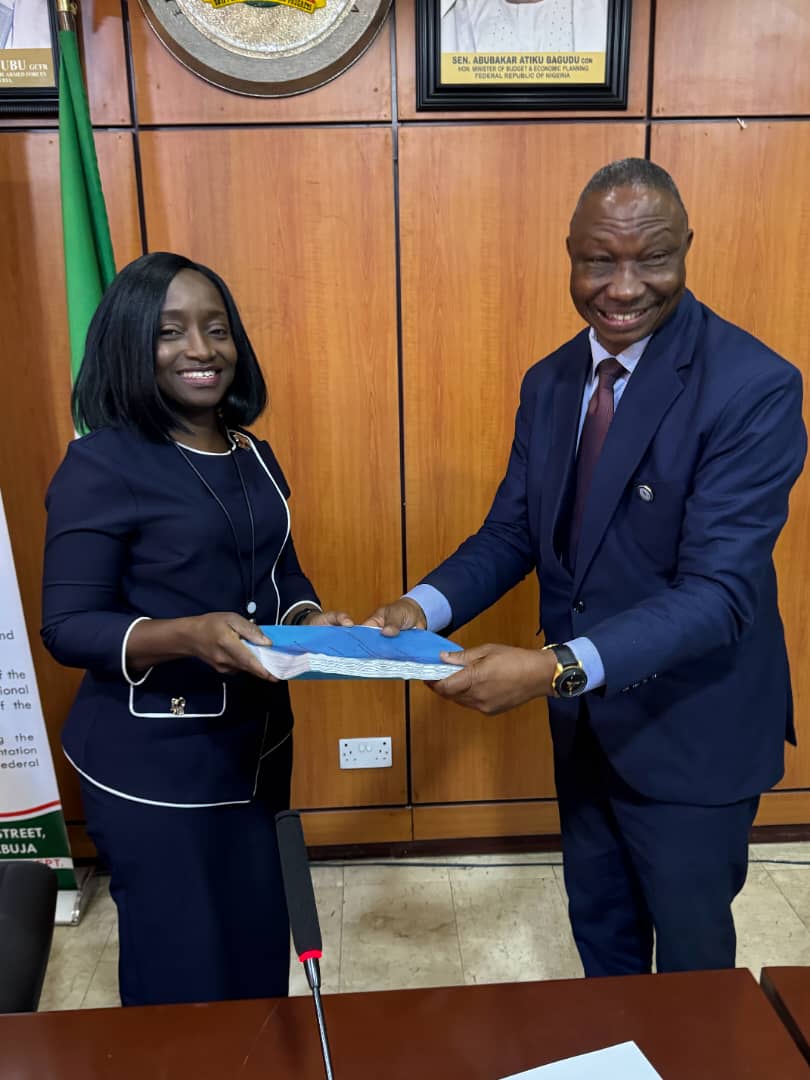
The Federal Ministry of Budget and Economic Planning today hosted a high-level meeting with the leadership of Médecins Sans Frontières (MSF) Nigeria to discuss the renewal of the Federal Cooperation Agreement and to bolster collaboration for uninterrupted humanitarian operations across the country.
Minister of Budget and Economic Planning, Senator Abubakar Bagudu, has emphasised the importance of reliable population data for sustainable national development.
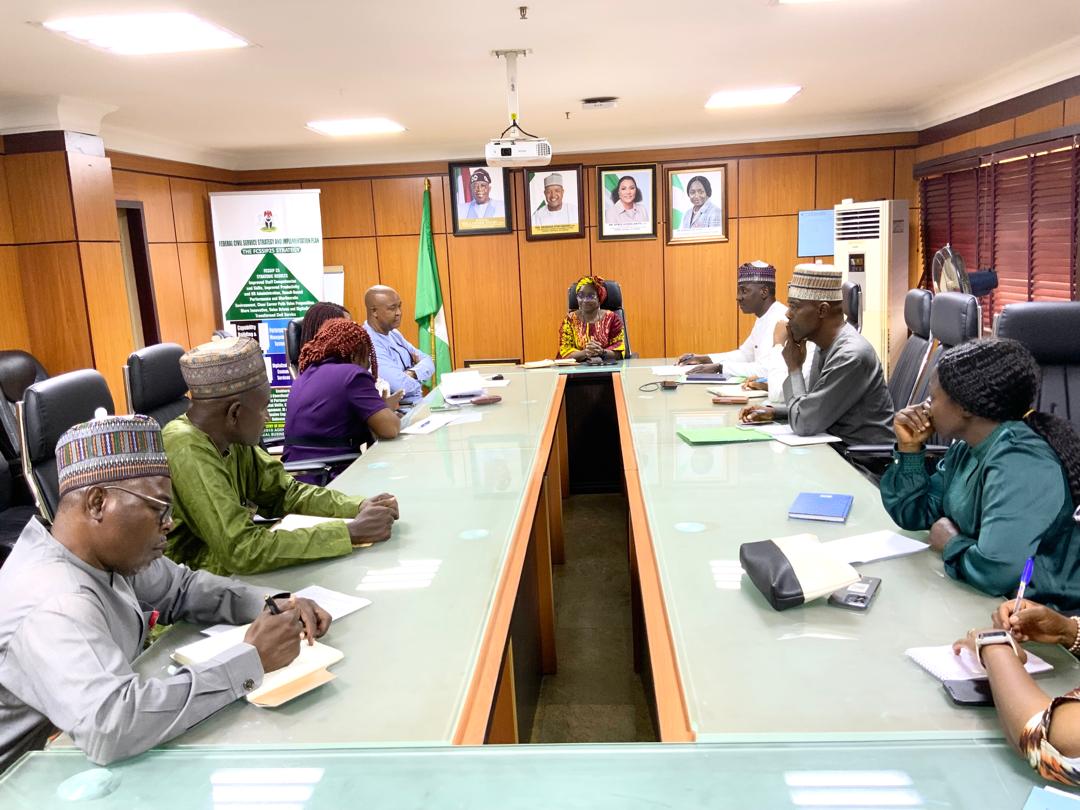
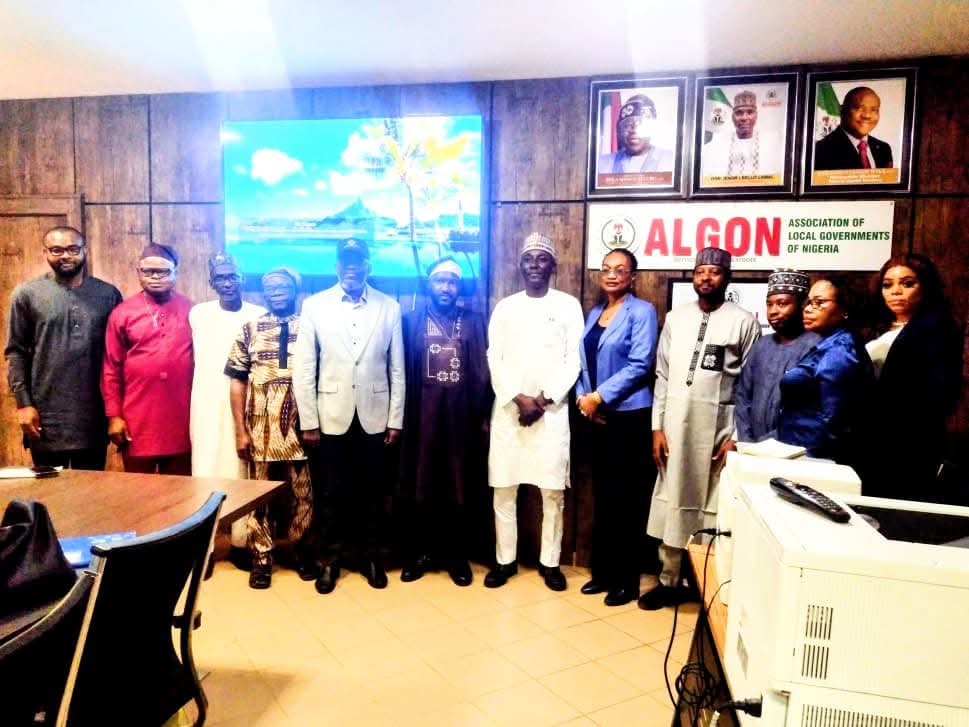
On Tuesday, 17th February 2026, the HOPE-GOV National Program Coordination Unit (NPCU) paid an implementation coordination visit to the National Headquarters of the Association of Local Governments of Nigeria (ALGON). During the visit, the National Coordinator, Dr. Assad Hassan, sought ALGON’s strategic support, collaboration, and guidance toward the successful implementation of the Program.
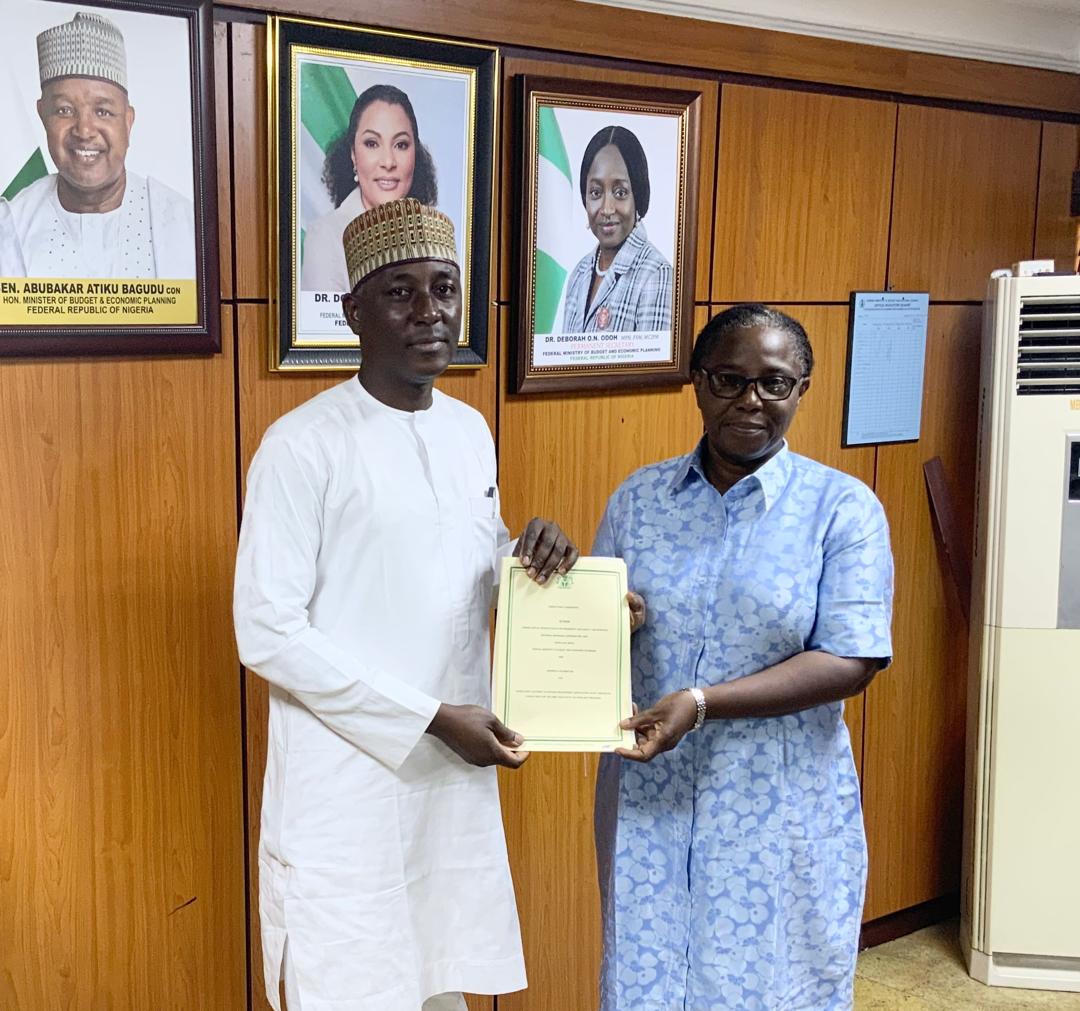
The Federal Government, through the Federal Ministry of Budget and Economic Planning, has signed a cooperation agreement with the International Finance Corporation (IFC), a member of the World Bank Group, to enhance project preparation, mobilise private capital, and speed up the delivery of bankable infrastructure projects vital to Nigeria’s economic transformation.
The Federal Government has inaugurated the National Economic Council (NEC) Technical Sub-Committee on Livestock Development, reaffirming its commitment to repositioning the livestock sector as a key driver of economic growth, food security, and national cohesion.
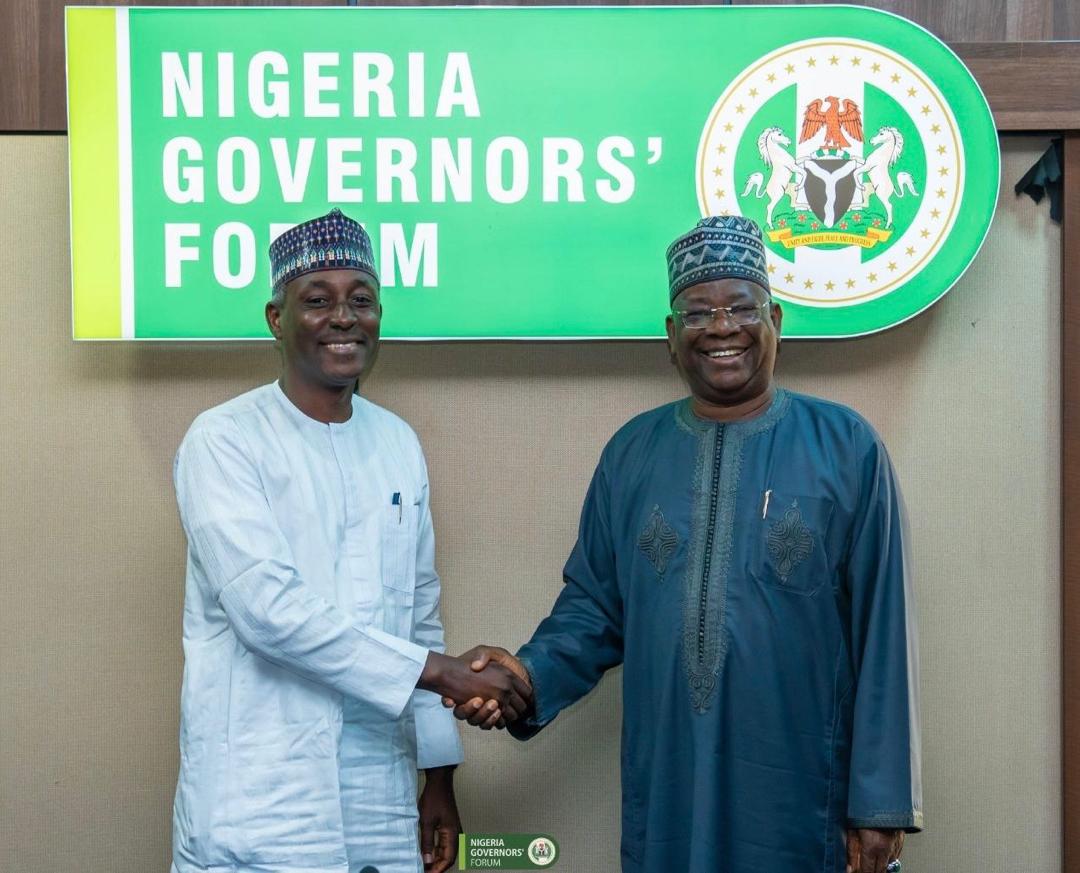
The World Bank–assisted Human Capital Opportunities for Prosperity and Equity -- Governance (HOPE-GOV) Program of the Federal Ministry of Budget and Economic Planning has engaged the Nigeria Governors‘ Forum (NGF) to support the implementation of governance reforms in the management of basic education and primary healthcare across the 36 states of the Federation and the Federal Capital Territory.
President Bola Tinubu’s ongoing economic reforms are progressing well and have the unusual outcome of strengthening political consensus in the country, the Minister of Budget and Economic Planning, Senator Abubakar Bagudu, said on Wednesday in Abuja.
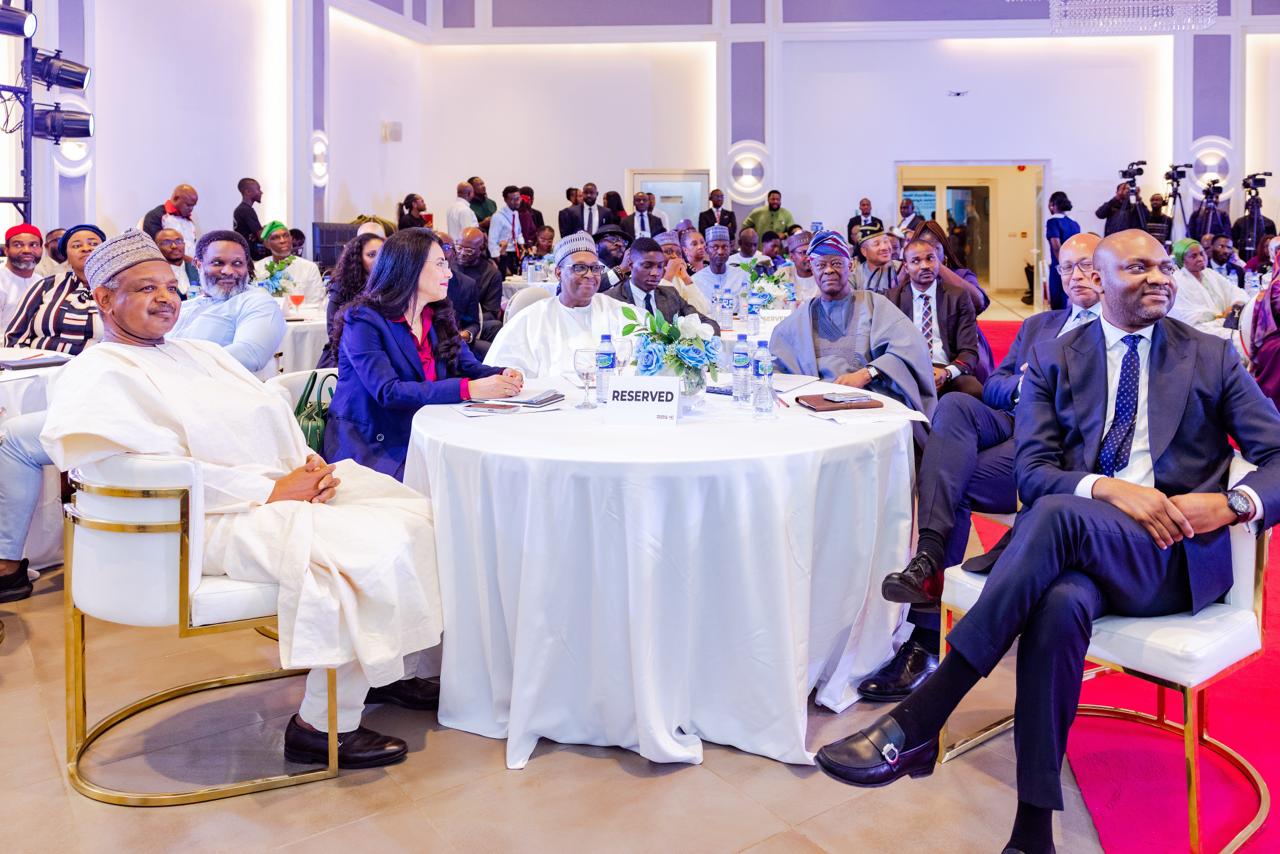
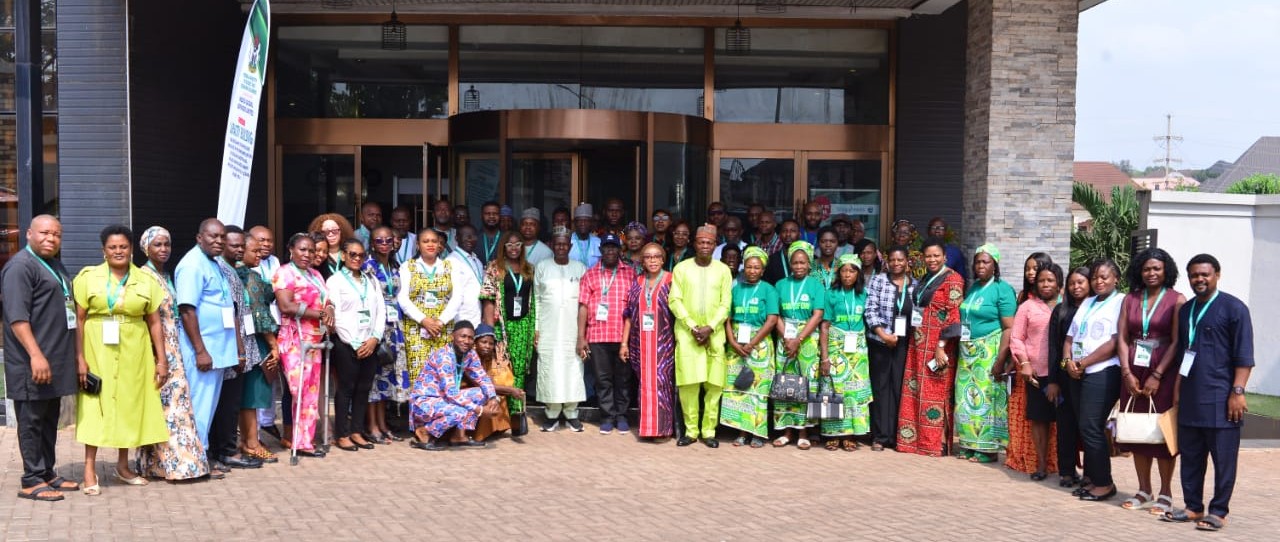
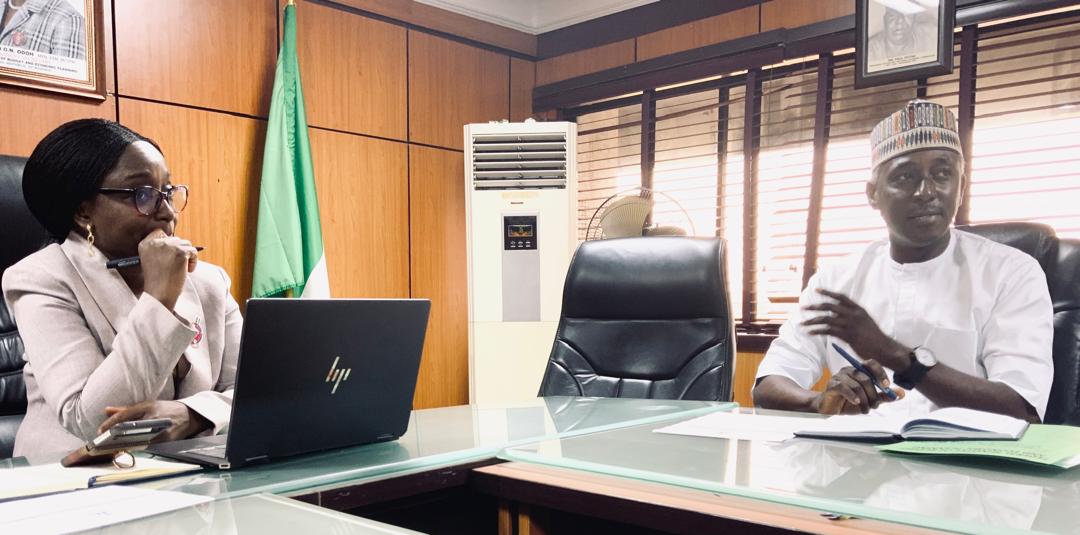
The Permanent Secretary, Ministry of Budget and Economic Planning, Dr. Deborah Odoh, has charged development partners and stakeholders to actively engage in ensuring that Nigeria’s food and nutrition policy aligns with the latest research, current realities, and global best practices.
In line with its commitment to transparency in public procurement, the World Bank–assisted Human Capital Opportunities for Prosperity and Equity (HOPE-GOV) Program of the Federal Ministry of Budget and Economic Planning is working with State Governments to ensure the quarterly publication of contract award information for procurements in the basic education and primary healthcare sectors, within 30 days of the end of each quarter.
The National Coordinator of the Human Capital Opportunities for Prosperity and Equity-Governance (HOPE-GOV) Program, a World Bank–assisted initiative of the Federal Ministry of Budget and Economic Planning, Dr. Assad Hassan, has stated that the Program is designed to incentivise implementing agencies, which include State Governments to institutionalise reforms in budgeting and expenditure management within Nigeria’s primary healthcare and basic education sectors.
The Federal Government of Nigeria has begun moves to empower 14m Small Holder Farmers to be key players in the Cassava value chain. This would be done through the Cassava Bioethanol Value Chain Development Project
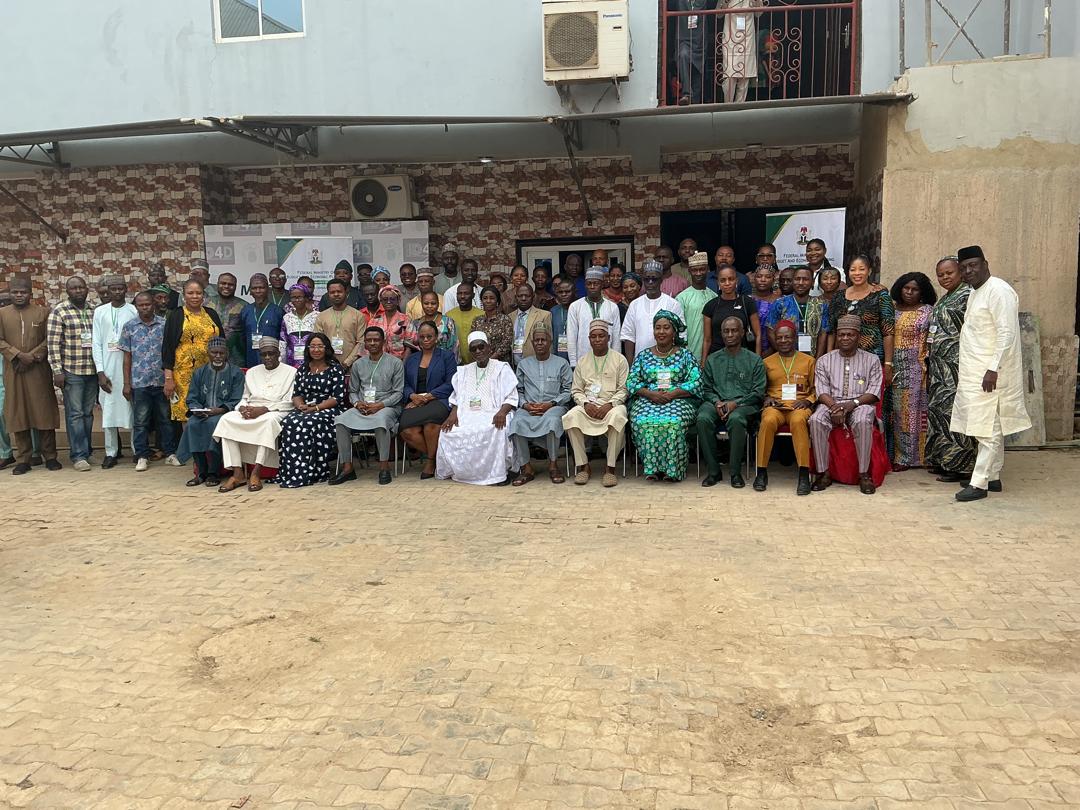
The Permanent Secretary, Federal Ministry of Budget and Economic Planning (FMBEP), Dr. Deborah O. N. Odoh, has described the ongoing review of the National Policy on Food and Nutrition (2016–2025) as a critical milestone in Nigeria’s collective effort to strengthen food and nutrition security.
The Federal Government has described the ongoing overhaul of the National Policy on Food and Nutrition (2016–2025) as a defining step in Nigeria’s drive to secure sustainable access to food and improve the nutritional well-being of its citizens.
The Federal Government has commenced the empowerment of about 14 million smallholder farmers as key players in Nigeria’s cassava bioethanol value chain, to boost rural incomes, drive industrialization and cut fuel import costs.
The Federal Government, in collaboration with the World Bank, is implementing the Human Capital Opportunities for Prosperity and Equity–Governance (HOPE-GOV) Program, a US$500 million credit facility designed to improve financial and human resource management in basic education and primary healthcare.
The Federal Ministry of Budget and Economic Planning has officially launched its Enterprise Content Management System (ECM), signaling the end of paper-based correspondence as part of Nigeria’s drive towards a fully digital public service. Speaking at the event in Abuja, the Head of the Civil Service of the Federation, Mrs Didi Esther Walson-Jack, described the launch as “more than the unveiling of a system,” but a clear statement of intent by a ministry that sits at the heart of national planning and budgeting.
The Federal Government says the 2026 budget will focus on ward-based development, infrastructure, security and stronger domestic production as Nigeria adjusts to declining global aid.
The federal government has unveiled the central priorities of the 2026 national budget, emphasising ward-based development, infrastructure expansion, stronger security systems and enhanced domestic production as Nigeria confronts sharp reductions in global development assistance.
The Federal Government has said it will not initiate any new projects in the 2026 budget. It directed Ministries, Departments, and Agencies (MDAs) to rollover 70 per cent of their 2025 capital budget into the 2026 fiscal year.
The Federal Government has released the 2026 Budget Call Circular, setting strict guidelines for Ministries, Departments, and Agencies (MDAs) as they prepare next year’s spending proposals.
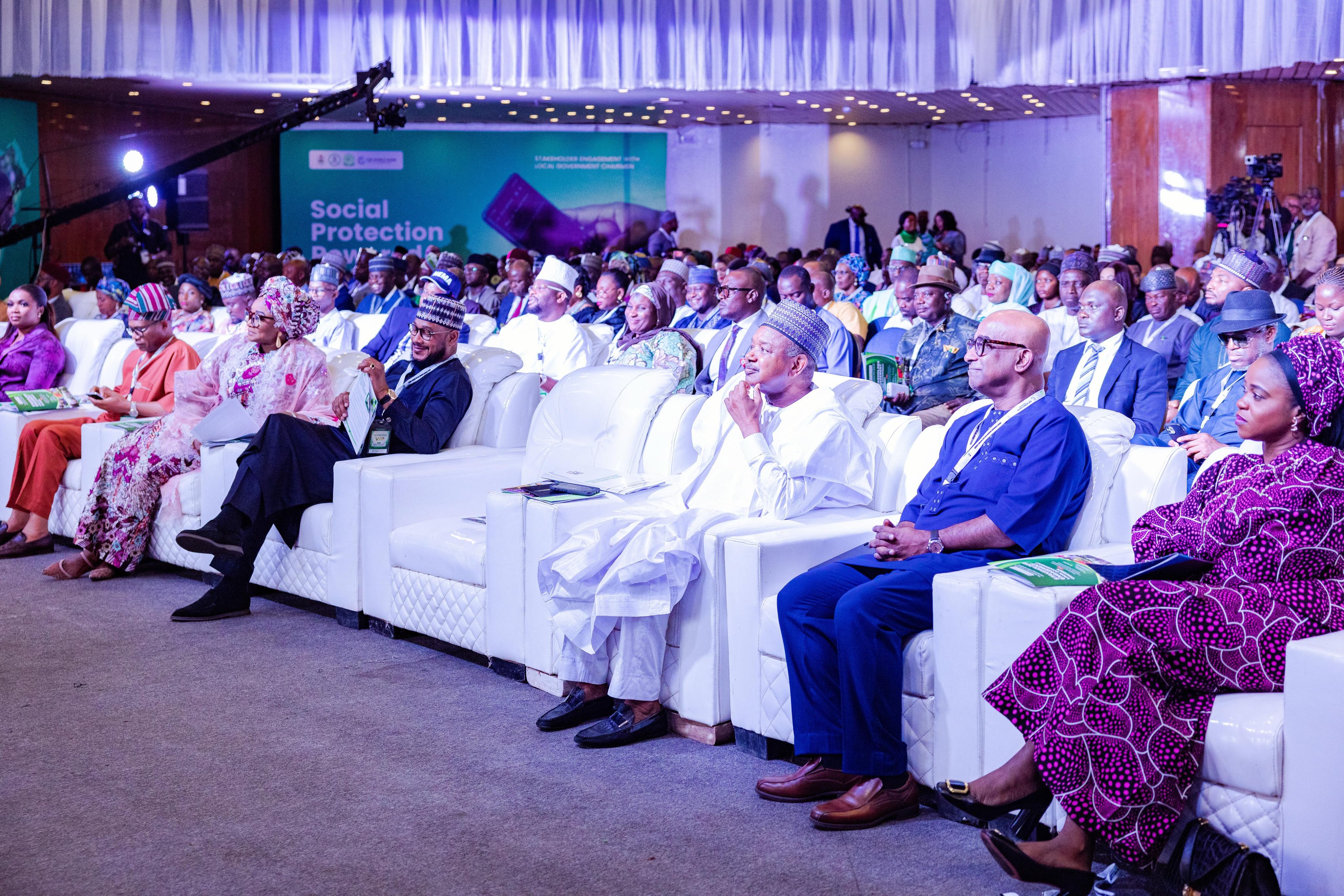
The Federal Government and the World Bank have restated their commitment to strengthening social protection systems and expanding economic opportunities for millions of poor and vulnerable Nigerians.
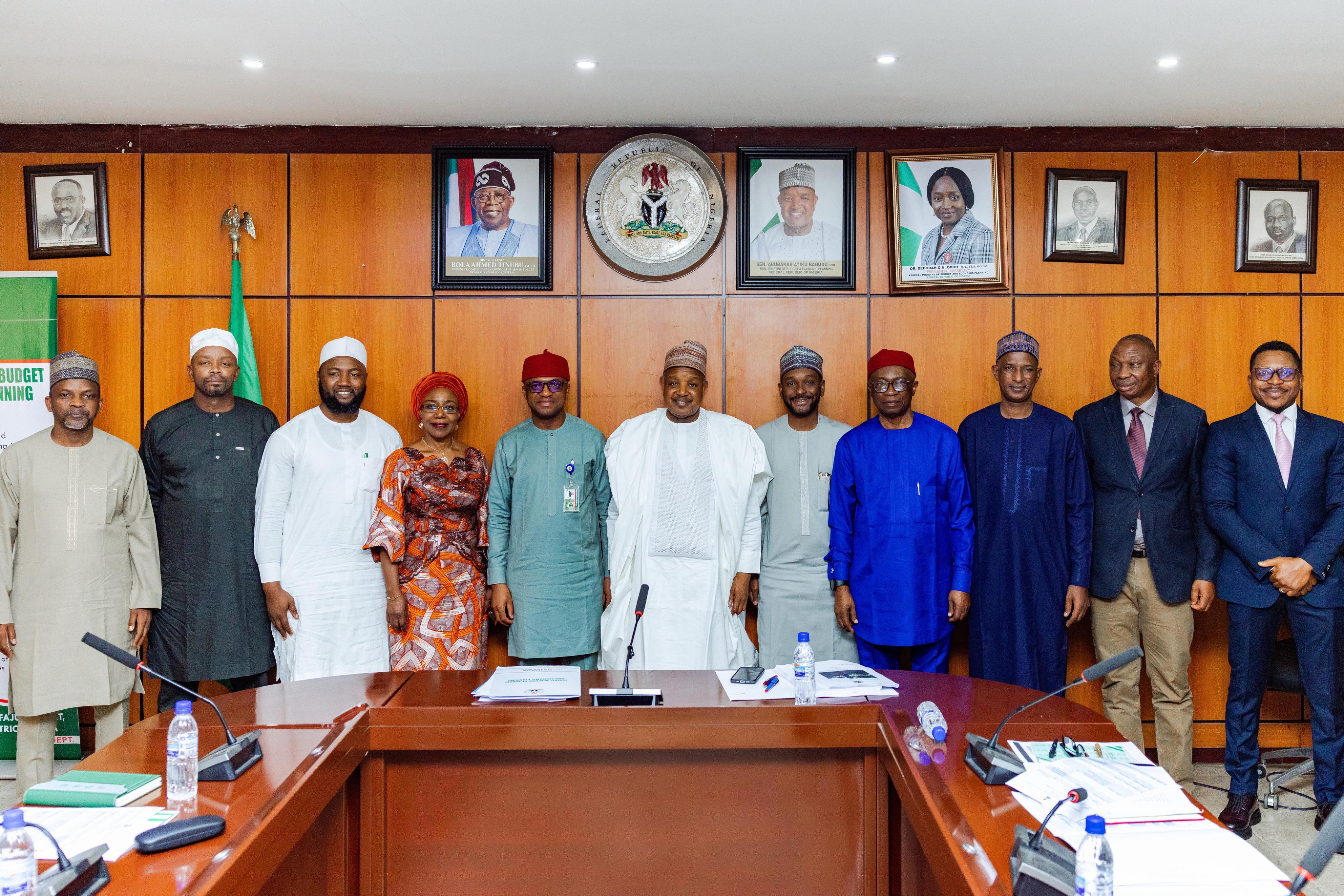
Dr. Deborah Bako Odoh Pledges to bring Professionalism and Transparency to the Ministry as She Assumes Duty as Permanent Secretary FMBEP
Nigeria, IMF Intensify Discussions on Economic Reforms and Growth Plans for 2026–2030
Manufacturers Association of Nigeria (MAN) yesterday declared its support for the federal government’s recent approval of a 15 per cent import tariff on petrol and diesel. MAN said it viewed the tariff as a strategic step and patriotic policy that aligned with the Nigeria First agenda and its long-standing advocacy for local content development and patronage of Made-in-Nigeria.
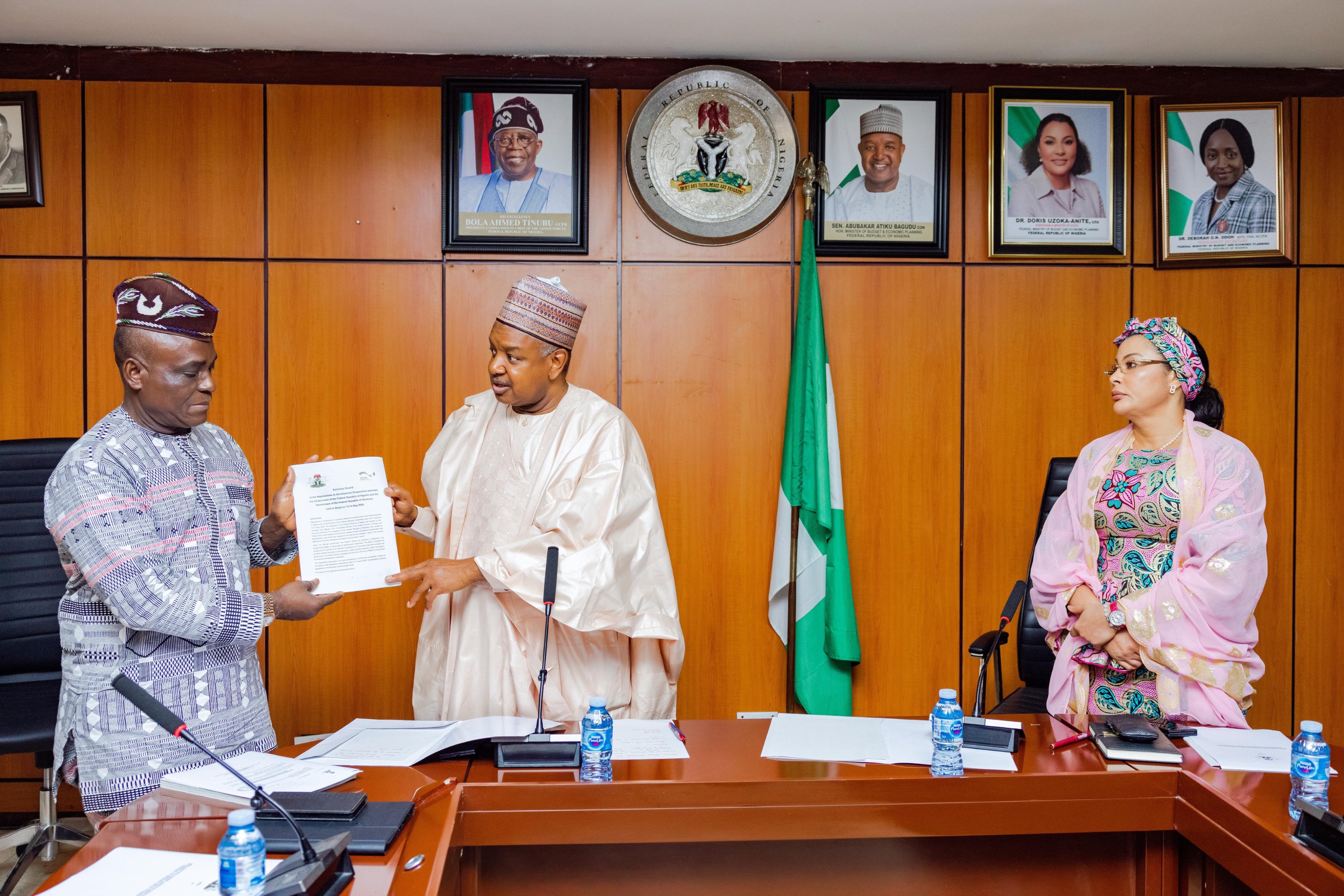
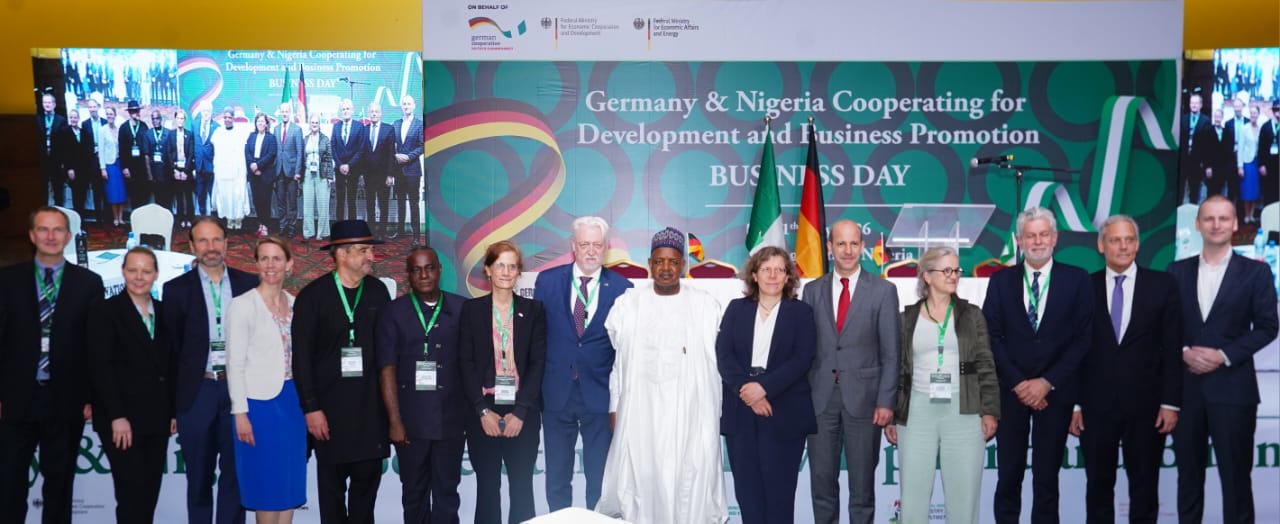
Nigeria is intensifying its engagement with German investors to secure deeper collaboration in technology transfer, skills development, and legal migration — key drivers of the country’s ambition to achieve a $1 trillion economy by 2030.
Minister of Budget and Economic Planning, Senator Abubakar Bagudu, has called for result-oriented collaboration between Nigeria and Germany to achieve the former’s $1 trillion economy target by 2030.
The Minister of Budget and Economic Planning, Senator Abubakar Atiku Bagudu, has called for partnerships with German companies to support Nigeria’s drive toward achieving a $1 trillion economy by 2030.
The Minister of Budget and Economic Planning, Senator Abubakar Bagudu, has expressed confidence that the Nigerian government’s target of achieving a $1 trillion economy by 2030 is within reach.
The Federal Government has urged the United Nations to assist Nigeria in accessing long-term funding to address humanitarian challenges associated with internal displacement. Speaking during a roundtable on Humanitarian Development, Peacebuilding Approaches to Durable Solutions for Internally Displaced Persons in Abuja on Wednesday, the Minister for Budget and Economic Planning, Senator Abubakar Bagudu, urged the UN to assist the Federal Government in accessing long-term funds to find sustainable solutions to internal displacements.
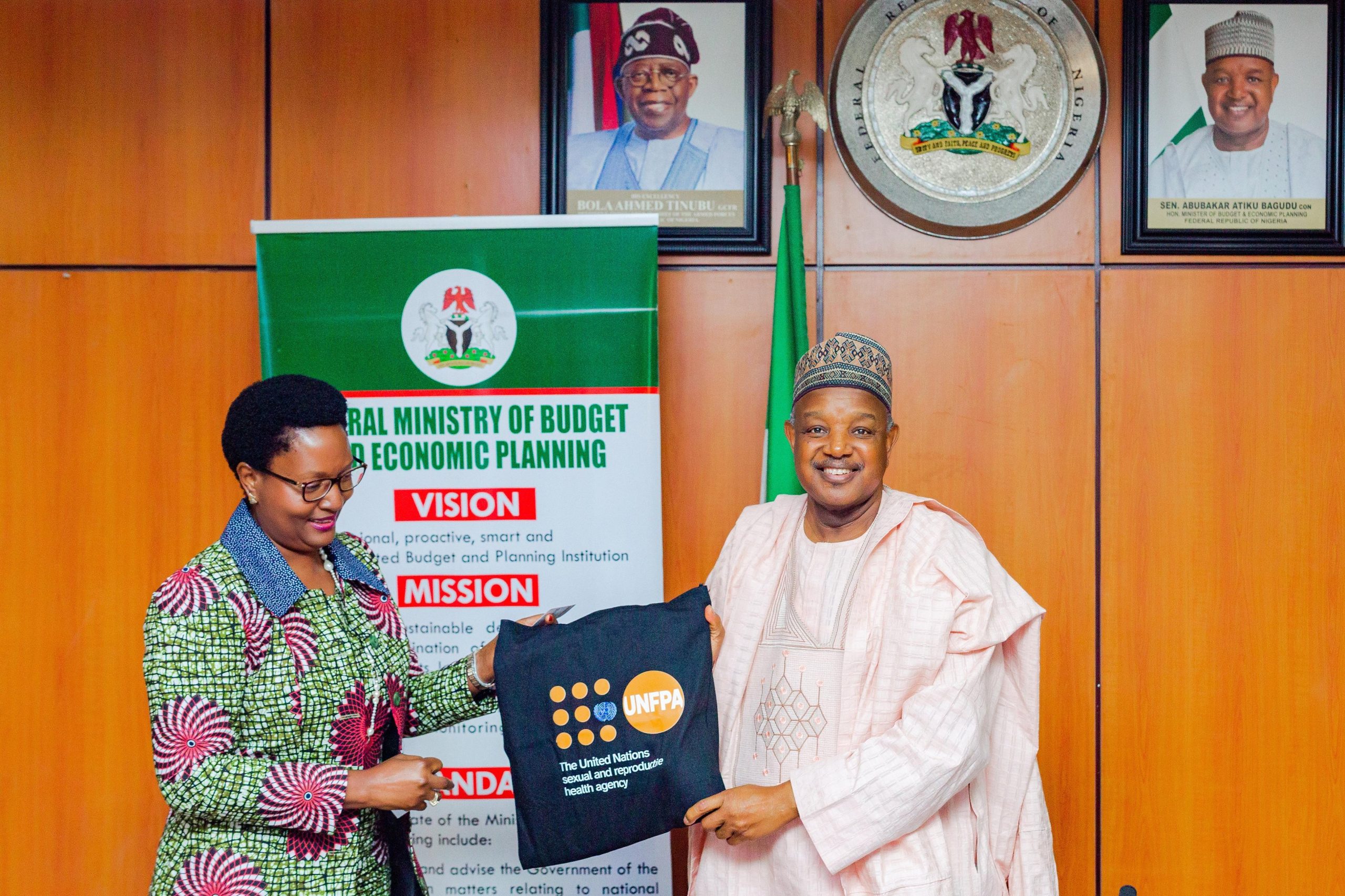
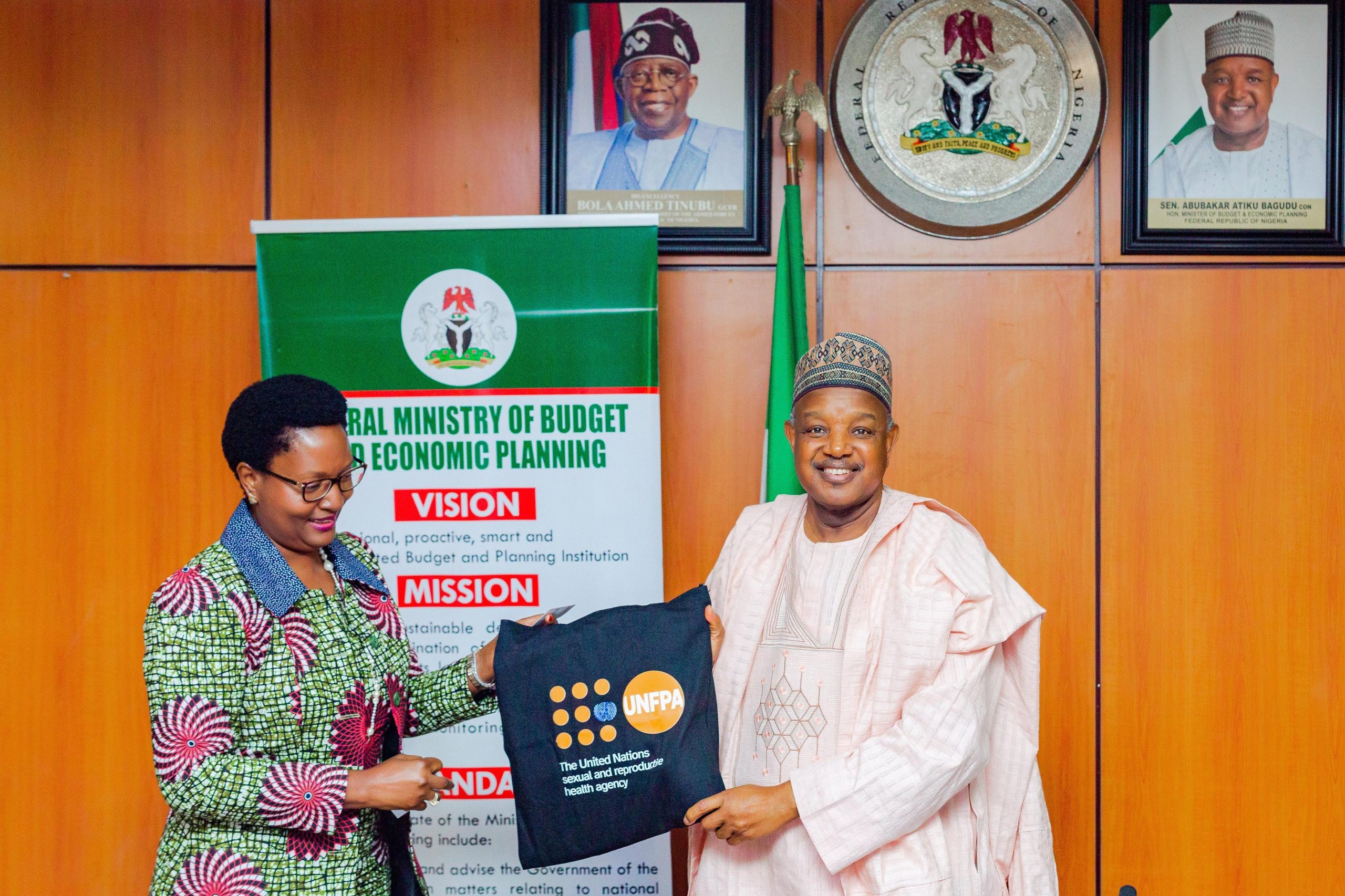
The United Nations Population Fund (UNFPA) has reaffirmed its commitment to enhancing collaboration with the Federal Government of Nigeria in promoting population management, reproductive health, and gender equality.
The Federal Government has appealed to its development partners to design interventions that are closely aligned with Nigeria’s cultural and faith-based values, stating that such alignment is crucial for achieving stronger and more sustainable results.
Chairman, Presidential Fiscal Policy and Tax Reforms Committee, Mr. Taiwo Oyedele, has disclosed that between 97 and 98 per cent of Nigerian workers are exempted from the pay-as-you-earn (PAYE) tax under the new tax law. He added that the Federal Government generated about N3.36 trillion in revenue last year.
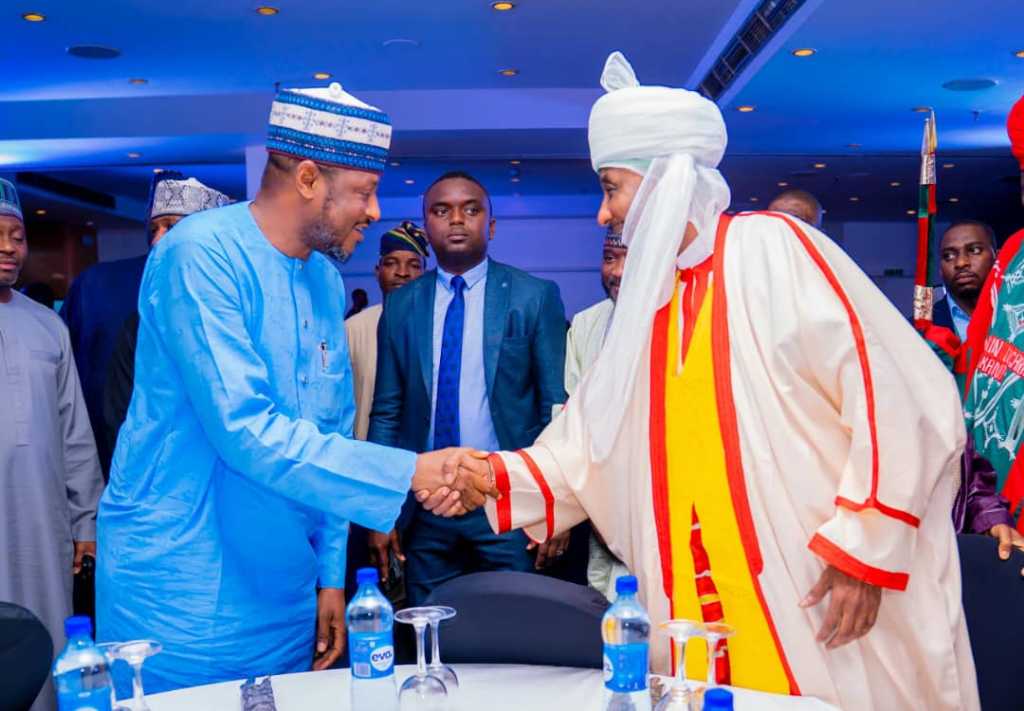
Dr. Sanusi Lamido, Emir of Kano and former Governor of the Central Bank of Nigeria (CBN), has stated that Nigerian economy is on the right path of recovery. Lamido, who stated this at the 31st Nigerian Economic Summit(NES#31) in Abuja on Tuesday evening, praised the Central Bank of Nigeria for stabilising the economy through various measures and initiatives introduced.
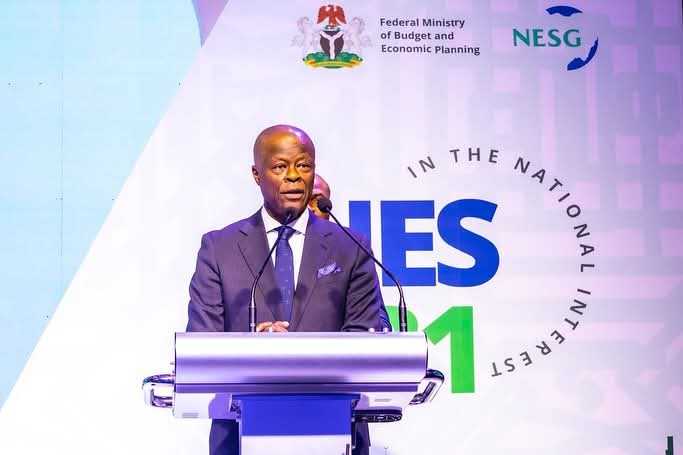
Mr. Wale Edun, the Minister of Finance and Coordinating Minister of the Economy, has insisted that the current economic reforms of the present administration must translate into better living conditions among Nigerians.
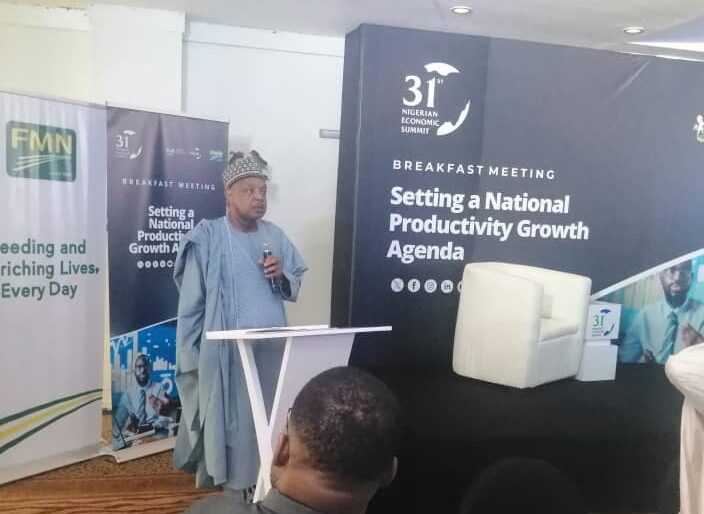
At a breakfast meeting during the 31st Nigerian Economic Summit Group (NESG), on Tuesday, in Abuja, Minister of Budget and National Economic Planning, Hon. Abubakar Atiku Bagudu, reaffirmed the federal government’s commitment to lifting Nigerians out of poverty, one ward at a time, stating that President Tinubu’s Renewed Hope Ward Development Programme is From Wards to Wealth, Minister Bagudu, made this disclosure in a bold National Plan to End Poverty by 2030.
The Nigerian government has set an ambitious five-year target to eliminate poverty that has more than doubled since the current administration introduced policies that have thrown more people into the poverty cycle.
On Thursday, 2nd October, 2025, the National Coordinator of the Human Capital Opportunities for Prosperity and Equity Governance Programme (HOPE-Gov), Dr. Assad Hassan, led members of the National Programme Coordination Unit to the HOPE Primary Health Care (HOPE-PHC) office for a strategic mini workshop.
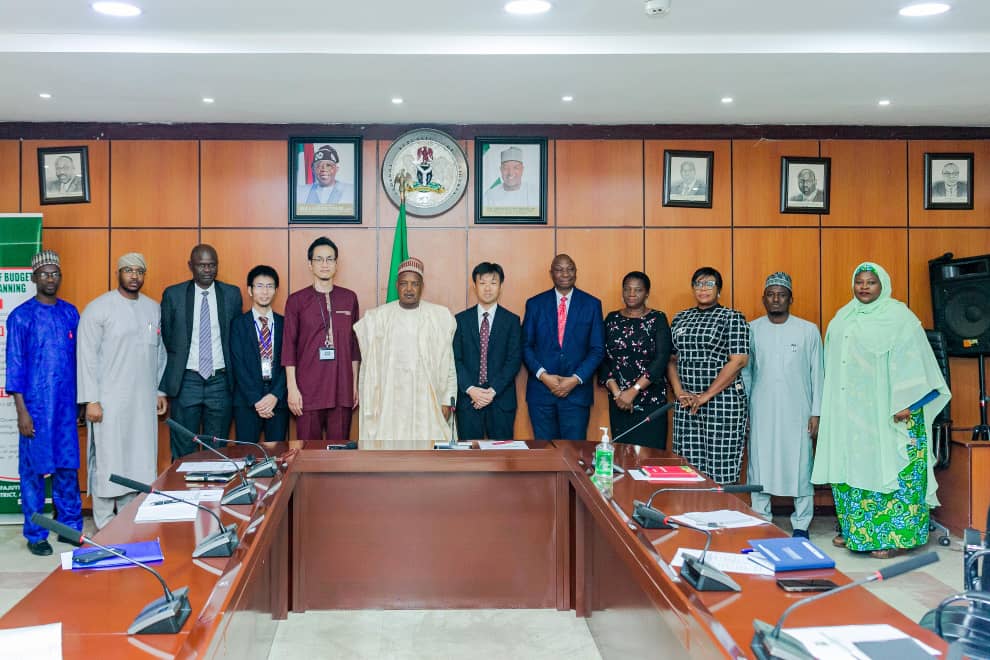
The Hon. Minister of Budget and Economic Planning (FMBEP) Sen. Abubakar Atiku Bagudu CON with the new Chief Representative of JICA in Nigeria Mr. Ishigame Keiji, the Acting Permanent Secretary FMBEP Dr. Sampson Ebimaro, management Staff of the Ministry (R), the outgoing Chief Representative of JICA in Nigeria Mr. Yuzurio Susumu, members of his delegation and an aide to the Minister (L) during the courtesy visit yesterday.
The Federal Government of Nigeria is to benefit from a Five Hundred Million Dollar loan facility from the World Bank for the Human Capital Opportunities for Prosperity and Equity (HOPE) project in the country.
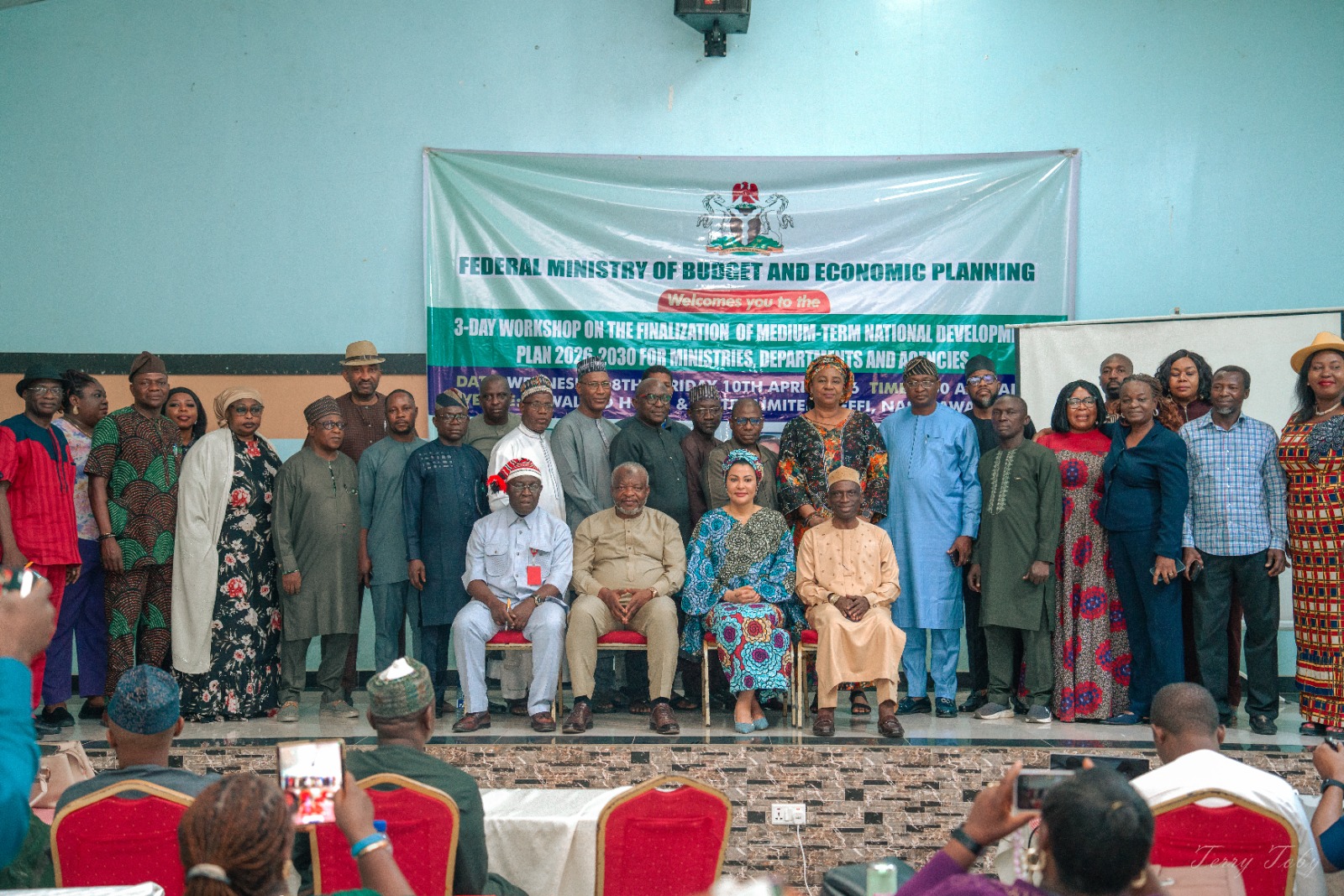
Federal Government on Monday trained MDAs staff drawn from Planning, Research and Statistics (PRS) departments on formulation and development of sector strategic plans in Edo.
Nigeria and China are actively deepening their partnership in economic development, which is characterized by a strong emphasis on the exchange of experiences and collaborative efforts across a variety of sectors, which are: Trade, Energy, Finance, Custom, agriculture, amongst others.